Jewelry gifts by budget: what reads thoughtful at $50, $150, and $400
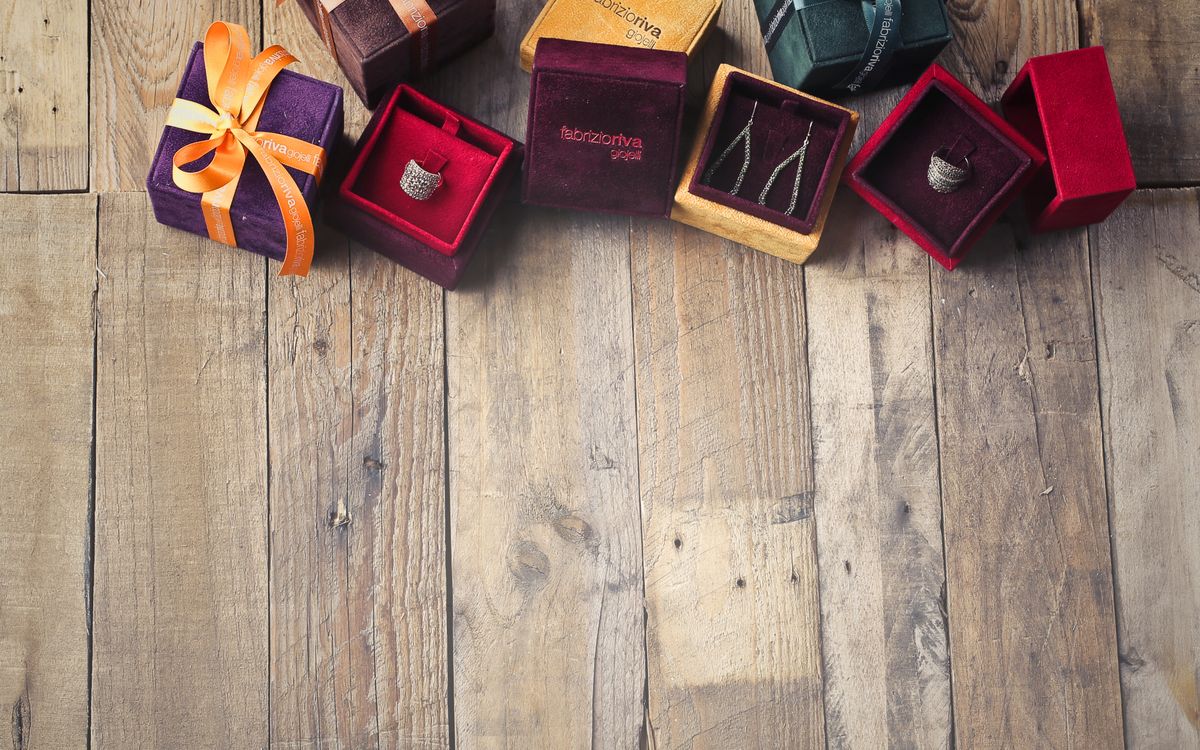
A jewelry gift succeeds or fails in the three seconds after the box opens, and almost nothing about those three seconds is proportional to what you spent. The pieces that land are the ones that look like they were chosen for a specific person — the right metal against their skin, a scale that matches what they already wear, a design that fits their routine. The pieces that politely fail are usually the expensive ones: bigger, more decorative, further from the recipient’s actual taste.
So this guide is organized by what each budget is actually good for, rather than by what it buys in carats.
At $50: the structure pieces
Fifty dollars buys construction, not drama — and construction is exactly what the least-jewelry-wearing people on your list need. At this price you are shopping small gold-plated or sterling studs, a fine 16-inch chain, or a simple huggie hoop. The metal explainer matters more here than at any other budget: at $50 the difference between sterling and plated is the difference between a piece that survives the year and one that turns their earlobe green in month two, so the vermeil and plating guide is worth ten minutes before you buy.
The $50 wins: small studs in a metal that matches what they already wear (or the metal of their watch — it is the jewelry most people wear daily without thinking of it as jewelry). A fine chain short enough to layer under everything they own. Huggie hoops, which are the rare gift that works on almost every ear because they read as subtle rather than as a commitment.
The $50 trap: anything trend-shaped. Trend pieces need the recipient’s buy-in, and a gift does not come with it.
At $150: the signature piece
This is the best gift budget in jewelry, and it is not close. One hundred fifty dollars is where solid sterling silver and vermeil construction meet actual design — signet rings, pearl drops, chunkier huggies, a pendant with a real stone setting. The piece can carry a point of view without the maker having to cut the construction to hit a price.
What reads thoughtful at this level is specificity. A signet reads personal without any engraving at all; pearl drops land for someone whose wardrobe already runs soft; a heavier chain lands for someone whose existing jewelry is minimal and structural. The question to ask yourself is not “would she like this” but “does this look like the one piece they would have picked themselves.” That question is why the styling desks matter as gift research — the styling desk shows how pieces behave in real outfits, which is exactly the context a gift lands in.
At $400: the piece they would never buy themselves
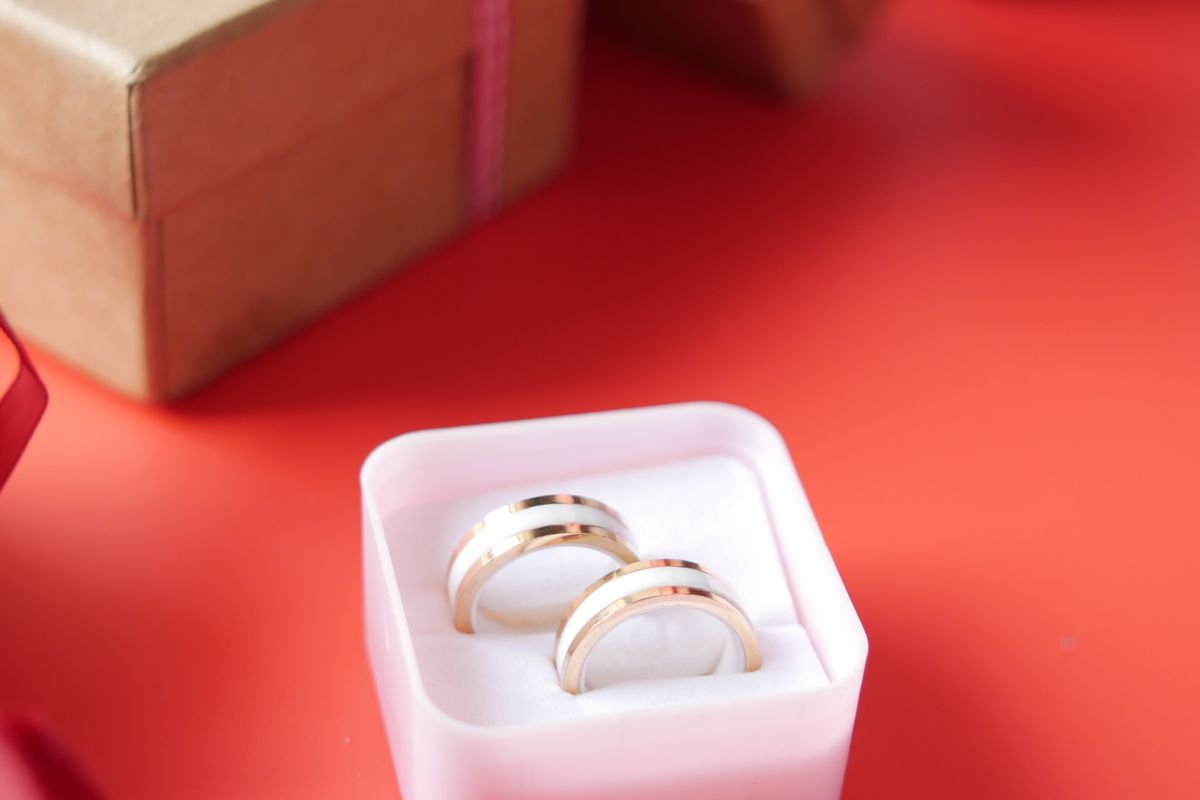
Four hundred dollars is past the point where construction quality separates the field — solid gold enters at this level for small pieces, and vermeil-and-stone construction gets genuinely luxurious. What this budget is actually for is permission: the pieces people love but ration for themselves, because “too much” is a category people reserve for their own spending and not for gifts. A proper gemstone line bracelet — the kind our tennis bracelet guide covers at this exact budget — a solid gold ring, or a real pair of pearl drops.
At this price the failure mode changes. It is no longer construction; it is fit. A $400 guess that misses is a $400 miss, and resizing and return windows become part of the decision — check them before you buy, because a piece that cannot go back is a piece the recipient has to pretend to love.
The details that decide whether it lands
Three non-product details do more work than any upgrade. Packaging first: pieces that arrive in the maker’s own box read intentional; pieces you re-box at home read last-minute. If the gift will be opened in person, ask for the maker’s packaging at checkout — most offer it at no cost.
Engraving second. A hidden engraving — inside a ring band, on a clasp tag — reads deeply personal, but it converts the gift into a final-sale item at most makers, and it adds production time that matters if your date is fixed. Engrave only when the size is certain and the date has slack.
The return window is part of the gift
Returns third, and it is not cold to think about: a gift recipient who loves the thought but not the piece should be able to exchange without awkwardness. Keep the return window and the receipt inside the card, or mention it in the note — “exchanges are easy if you’d rather pick something yourself” is a sentence that has saved many gifts.
Recipient shortcuts that rarely fail
For the person who wears no jewelry: small structural studs or a fine chain, in their watch’s metal. For the person whose jewelry is already minimal: one heavier structural piece — a signet, a bold huggie — in the same metal family. For the person who wears statement pieces: do not compete with their collection; go smaller and finer instead, because their taste is the loud part and the gift should be the quiet part. For a milestone — graduation, first job, anniversary — the occasion guides under Gift Guides sort picks by the exact situation, and the desk keeps a running edit as makers update their lines.
Frequently asked
What is a good jewelry gift for someone who wears none?
Something small and structural rather than decorative: a single pair of small gold studs or a fine 16-inch chain. People who don't wear jewelry usually want pieces that disappear into their routine, not pieces that become the outfit.
Is engraved jewelry harder to return?
Yes — most makers cannot accept returns on personalized items. Missoma's product pages, for example, state that engraved or monogrammed pieces are non-returnable. Only engrave when you are confident in the size and the recipient.
How much should you spend on a jewelry gift?
Less than you think. What reads thoughtful is fit with the person's existing style and the quality of the moment — a well-chosen $60 pair of studs outperforms a poorly-guessed $400 trend piece almost every time.