Your first piece of fine jewelry: an order of operations that avoids the usual mistakes
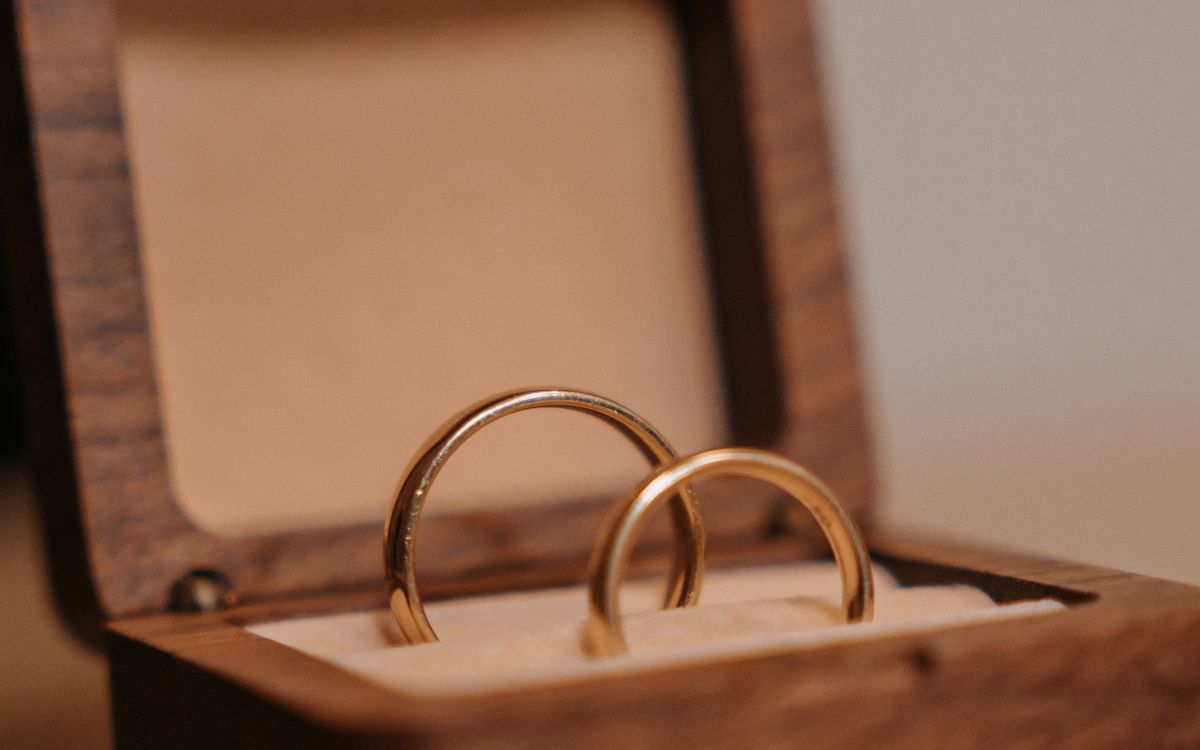
The first purchase of solid precious metal is where jewelry buying stops being fashion and starts being an asset — a piece that outlives trends, holds resale value, and gets worn a thousand times instead of ten. It also goes wrong in the same handful of ways, every time: a ring bought in the wrong size, a plated piece bought at solid-gold prices, a design chosen for one occasion that fits no ordinary day.
The fix is order of operations. Jewelry marketing wants you to fall for a piece and justify it afterward; the reliable way is to decide the parameters first and find the piece that fits them. Here is the sequence.
Fix the budget ceiling before looking
Decide the maximum number before opening a single tab. This matters more in fine jewelry than in most categories, because the price ladder is unusually wide — a gold chain might cost $150 or $1,500, and both are honest prices for different weights and karats. Browsing without a ceiling produces the most common first-purchase failure: a beautiful piece bought at a price that makes its loss (or its damage) frightening, which quietly ends the wearing of it.
One framing that helps: fine jewelry prices track metal and labor, not cleverness. Weigh the budget against what it should buy — simple sterling pieces in the tens of dollars, small solid 14k pieces (plain studs, thin chains, basic bands) starting around one to two hundred — and treat prices wildly below that range for “solid gold” as claims to verify, not bargains.
Choose the metal you will actually wear every day
Fine jewelry divides into sterling silver, yellow gold, white gold, and rose gold, and the right choice is the one that matches your skin and habits rather than the shop window. Sterling is the affordable entry point and wears well daily, but it tarnishes and wants occasional polishing. Yellow gold in 14k is the workhorse: hard enough for daily wear, warm on most skin tones, no plating to wear through. White gold is usually rhodium-plated to reach its bright finish, which means periodic replating — a maintenance cost most first-time buyers never hear about. Rose gold behaves like yellow gold in durability and reads pinker on the wrist.
Two selection rules carry most of the weight. First, match what you already wear: if your watch and phone are silver-toned, start in silver or white metal. Second, if skin ever reacts to jewelry, read the alloy before the color — the reasons karat and alloy matter more than the word gold are covered in the metals and stones collection.
Pick the category that fits your days
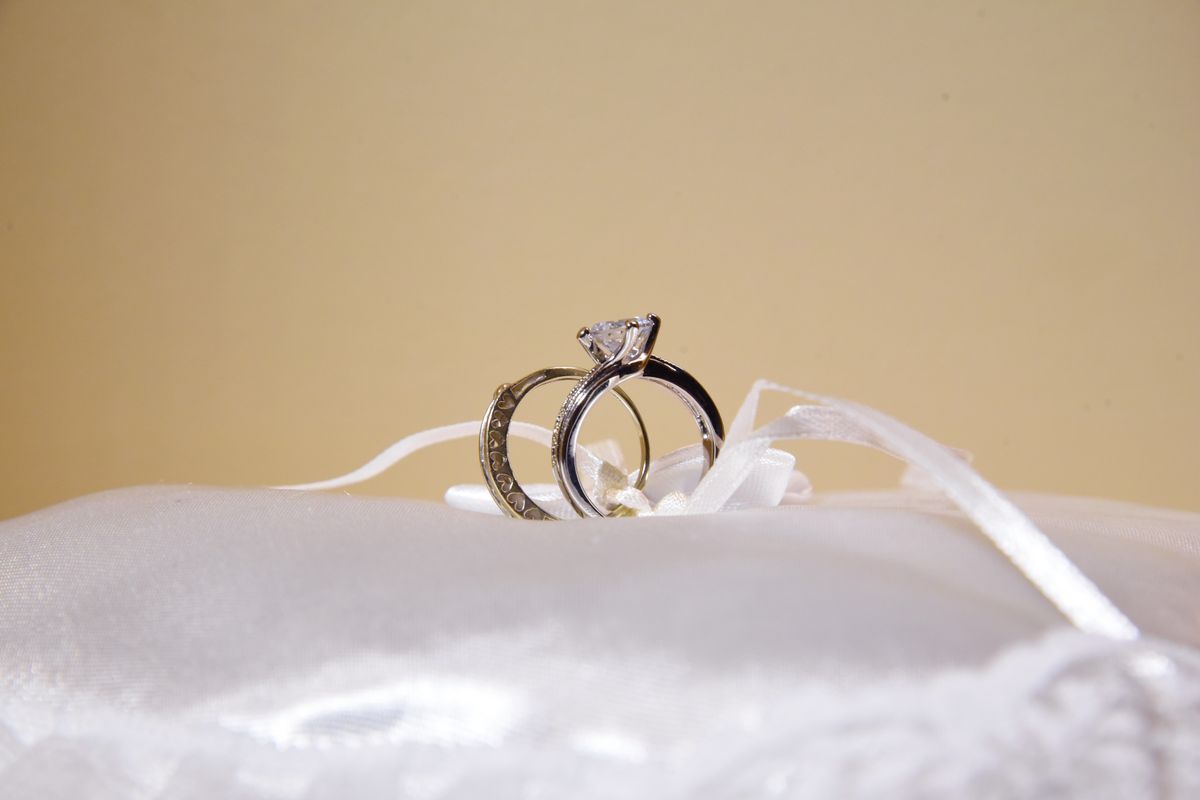
The best first piece is the one worn most, and wear frequency is a function of your ordinary week, not special occasions. Work through the categories honestly. Earrings — plain studs in gold or silver — are the conventional first choice because they suit every outfit, have no sizing problem, and are worn daily once they go in. A thin chain necklace is the second classic: it layers with everything and needs only a length decision. Rings are the most tempting and the most operationally demanding, because finger size is non-negotiable and daily wear puts them through contact with desks, dishes, and doorframes. Bracelets and statement pieces wait; they are worn rarely enough that the first fine budget buys better elsewhere.
One honest exception: if there is a single design you have wanted for years — a signet, a locket, a specific stone — buy that. The wear-it-most rule serves people without a pre-existing want, and a long-held want gets worn precisely because it means something.
Verify the piece before paying
Stamps and documentation
Verification is short and mechanical. Find the metal claim in the listing — karat and construction, stated plainly — then find the stamp on the physical piece when it arrives: 14k or 585 on solid gold, 925 on sterling, usually at the clasp or inside the band. The numbers are a small vocabulary, and a stamp that does not match the listing’s metal claim is grounds for a return on its own. For gemstones, look for clarity about treatments and origins rather than glowing adjectives; a seller who names a stone’s treatments precisely is a seller whose other claims deserve trust. If any listed document (certificate, assay card) is promised, confirm it ships with the piece and that its details match.
Returns and resizing
Read the return policy with the same attention as the spec: how long the window runs, whether resized or engraved pieces are excluded, who pays return shipping. The return window is your inspection period for the stamp, the finish, and the fit. Ask specifically about resizing before buying a ring — solid gold resizes well in most constructions, but eternity bands and certain tension settings cannot, and the answer to “can this be resized” separates careful sellers from careless ones.
Get the size right the first time
Sizing failures are the most annoying failure in the category, and they are entirely preventable. For rings, measure an existing ring’s inner diameter or use a strip of paper around the finger, at the end of the day when fingers are largest — the full method is in the ring size guide. For chains, decide length by measuring a necklace you already own flat, or by checking where a given length falls on your neck; 16 and 18 inches sit noticeably differently. For bracelets, add slack to the wrist circumference so the piece rotates rather than grips. Earrings need none of this, which is one more reason they make the easiest first purchase.
What to skip on the first purchase
Four things reliably disappoint first-time buyers. First, plated pieces at vermeil prices — if the surface is gold but the construction is coated, our vermeil, gold-filled, and plated guide explains what each should cost. Second, hollow gold constructions: they wear big for the price but dent permanently, which is a poor trade for a piece meant to last. Third, trends as a first piece — the one-season design becomes the one-season drawer. Fourth, anything bought for a specific event more than a few weeks out; sizing and returns compress badly on deadlines. Skipping these four, and following the sequence — budget, metal, category, verification, sizing — turns the first fine purchase from a gamble into a process with a predictable result.
Frequently asked
What counts as fine jewelry?
Fine jewelry is made from solid precious metals — karat gold (10k and up in the United States) and sterling silver — with or without genuine gemstones. It is the opposite of fashion or costume jewelry, which uses base metals and plating. Gold-filled and vermeil sit in between: real gold on the surface, base metal underneath.
How much should a first fine jewelry piece cost?
Simple sterling silver pieces start in the tens of dollars, and small solid 14k pieces — a thin chain, plain studs, a band — typically start around one to two hundred dollars. Set a ceiling before browsing rather than after, because the category rewards patience and punishes impulse.
What is the safest first fine jewelry piece to buy?
Plain earrings in solid gold are the conventional answer: they are worn constantly, they have no sizing problem, and their construction is simple enough to verify at a glance. A thin cable chain in 14k is a close second, with the caveat that length needs deciding before purchase.