Jewelry that travels: a packing system for flights, hotels, and the trip home
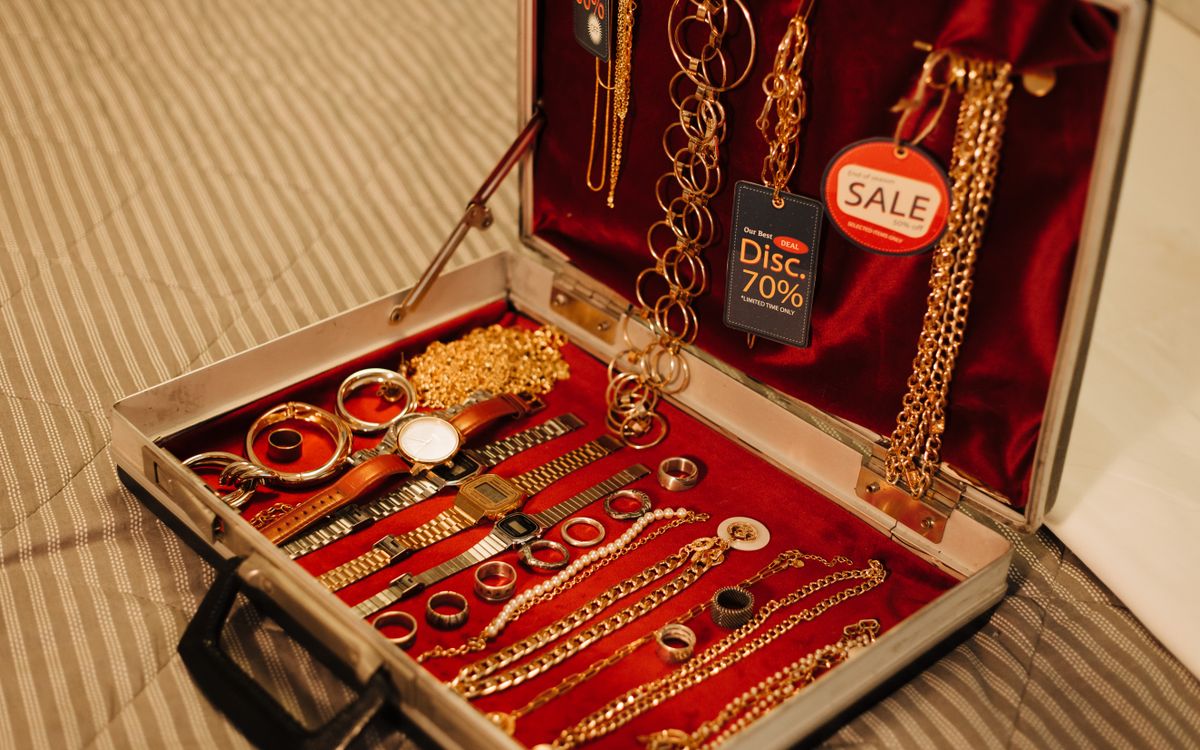
Travel is the harshest routine jewelry ever goes through, and it is harsher than most people plan for. A piece survives daily wear at home in a stable climate, then gets crammed into a zip bag, subjected to a cargo hold, dropped on a hotel nightstand next to a swimming pool, and worn through three climates in a week. The pieces that come home damaged almost always came home damaged because of one of four things: friction, humidity, theft opportunity, or an unsuitable metal for the trip. Each one has a packing answer.
Pack for friction, not for looks
The single biggest cause of travel damage is not theft or loss — it is pieces rubbing against each other. Chains knot. Stone settings scratch softer metal surfaces. A diamond or sapphire parked in the same compartment as a polished silver bangle will abrade the silver’s finish over a week of vibration and movement. The packing system exists to keep things apart, and everything else is secondary.
The compartment rule
One piece, one compartment, or at minimum one piece, one sealed bag. Separate pouches do double duty: they stop chains from braiding together in transit and they cut each piece’s exposure to the trapped air and humidity inside a closed case. Small zip-top bags with the air pressed out before sealing are the cheapest version of this and work as well as anything sold in a leather case. The error most people make is packing jewelry loose into a single tray, where every chain finds every clasp by the first hour of flight.
The case: what actually works
A purpose-built travel case is worth having, but the useful feature is not the padding — it is the compartments. Look for hard-sided cases with a zip closure, individual slots or clip hooks for chains, and a ring roll. Soft pouches fold flat and pack smaller, but they let contents migrate; a fold-over pouch works only if each piece is bagged first. Whatever the case, it should close completely and look anonymous. A case printed with a jewelry brand is a label on the outside of your valuables, which is the wrong direction.
Choose what travels by metal, not by sentiment
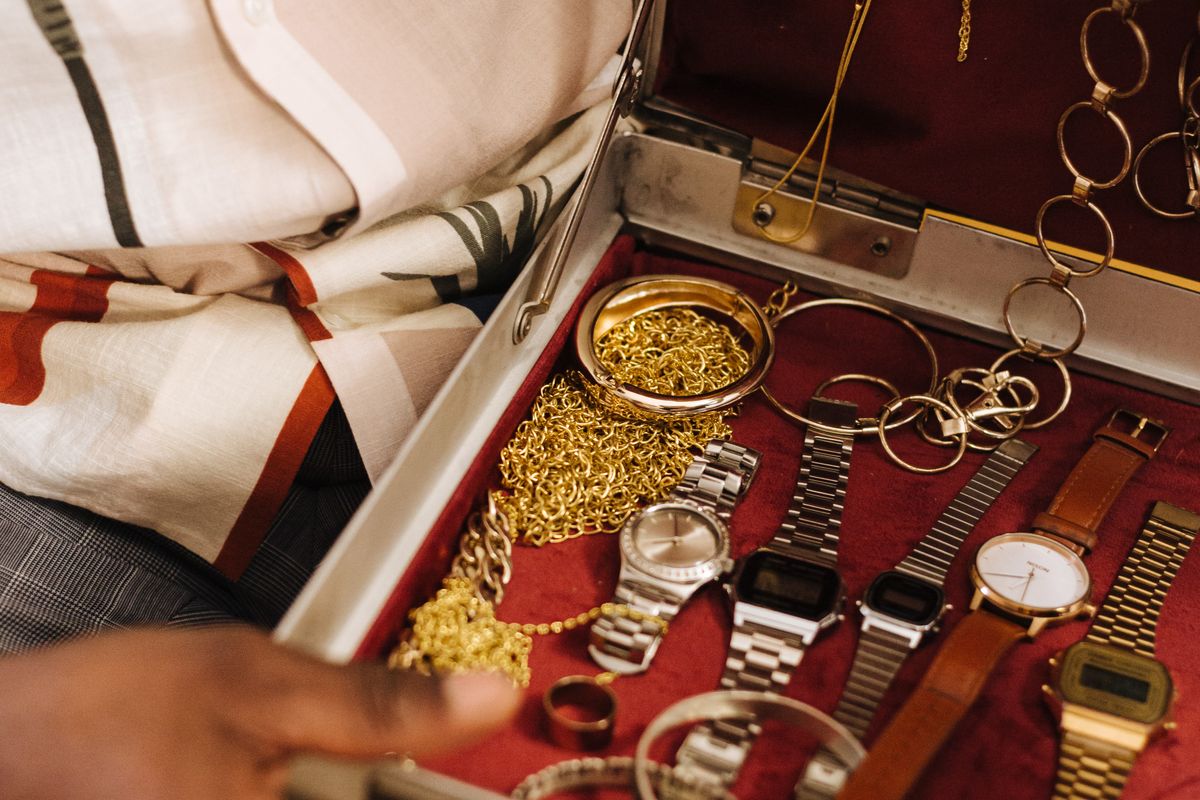
Some metals travel well and some do not, and the difference matters more away from home than it does in daily rotation. Solid karat gold, stainless steel, and platinum handle humidity, pool water, and careless handling without complaint. Sterling silver starts oxidizing in humid hotel rooms and sea air — not catastrophically, but enough that a week away turns a bright chain grey at the clasp. Plated and vermeil pieces face a subtler problem: the gold layer is thin, and friction against bagged neighbors, sunscreen, and salt water all eat at plating faster than ordinary wear does. What vermeil actually is, and how thick its gold layer has to be, is covered properly in the vermeil explainer; the travel version of that story is simple — plated pieces travel, but they should not be the pieces you swim in.
Pieces that stay home
Three categories stay in the safe at home: anything sentimental whose loss would outweigh its use, anything with fragile construction — long drop earrings, thin hinged bangles, delicate chains under a millimeter — and anything loose-set that relies on prongs you have been meaning to have checked. Travel is also the wrong setting for a piece you are mid-repair on. If a prong is already lifted, a week of packing friction finishes the job.
Customs and security: what to declare, what to carry on
Two rules carry most of the weight. First, jewelry flies in carry-on, always — checked bags get lost and searched, and airlines disclaim liability for valuables in checked luggage. At security, keep the case in the bag rather than in a tray where it sits in plain view; nothing about a bin at airport security is discreet.
Second, customs. Pieces you already own and travel with are generally your personal effects, and most countries do not ask you to declare them. What does get declared: jewelry purchased abroad, which counts toward the duty-free allowance of the country you are entering, and anything you are carrying on behalf of someone else. The exemption amounts and thresholds change from year to year and differ by country, so the practical instruction is to check the customs authority of your destination before you fly rather than relying on a figure remembered from a previous trip. Photographing your pieces before travel — which doubles as an insurance record — makes the return conversation easier if an inspector asks what you left with.
Hotel rooms are the riskiest part of the trip
Statistically, jewelry goes missing in hotel rooms more often than in transit, and the cause is usually routine rather than crime: a ring left on the bathroom counter, a chain dropped into a pocket that goes to the laundry. The in-room system is small and worth rehearsing.
The safe, the sink, and the counter
The room safe is for overnight and for anything you will not wear that day — not for the piece you plan to put back on after dinner, because safe-forgetting is its own genre of loss. Never leave jewelry poolside or on a bathroom counter near the sink; a ring knocked into a basin drain is a recovery operation. And designate one spot — the case, closed — as the only place pieces land when they come off. Most hotel losses are not thefts; they are pieces that ended the evening somewhere no one remembers.
Anti-oxidation on the road
Silver tarnish is a chemical reaction with sulfur compounds and moisture, and a trip concentrates both: humid cabins, sea air, pools, and a closed case that traps whatever is in the room. The countermeasures are unglamorous and they work. Pack pieces clean and completely dry — residual lotion and sweat accelerate tarnish dramatically. Press the air out of each sealed bag. Put an anti-tarnish strip in the case and replace it each trip; they are cheap and they exhaust themselves. Wearing silver in the shower at a hotel is a mild help (warm water and soap beat a humid bedroom), but chlorine pools are the opposite — chlorine attacks alloys, and silver comes out duller. For the full picture of why silver and its alloys behave this way, the metals guides go deeper than travel care needs to.
The trip home
The return leg deserves its own minute of attention, because it is when the system collapses. Worn pieces go back into the case dry — not damp with sea water or sweat — and the case goes into carry-on, not the bag that gets gate-checked on a full flight. At home, pieces that traveled get a quick wipe before they return to the tray, and anything that swam gets an actual rinse. If a piece stayed in the case the whole trip and comes out tarnished anyway, the strip in the case was spent; replace it before the next one. Travel care is mostly this: small routines, repeated, that keep the packing system from quietly undoing itself.
Frequently asked
Should you carry jewelry in checked luggage?
Never. Checked bags get lost, searched, and handled roughly, and the cargo hold swings between temperature extremes. Jewelry travels in carry-on, inside a case that does not advertise what it holds.
How do you keep jewelry from tarnishing while traveling?
Cut the air exposure. Sealed bags with the air pressed out, an anti-tarnish strip in the case, and pieces that are clean and fully dry before they go in. Humidity, not time, is what tarnishes silver on the road.
Do you have to declare jewelry at customs?
Jewelry you already own and travel with generally does not get declared, but purchases made abroad count toward the duty-free allowance of the country you are entering and should be declared. Exemption amounts change, so check the customs authority before you fly.