Heat, oil, irradiation, diffusion: how gemstone treatments work
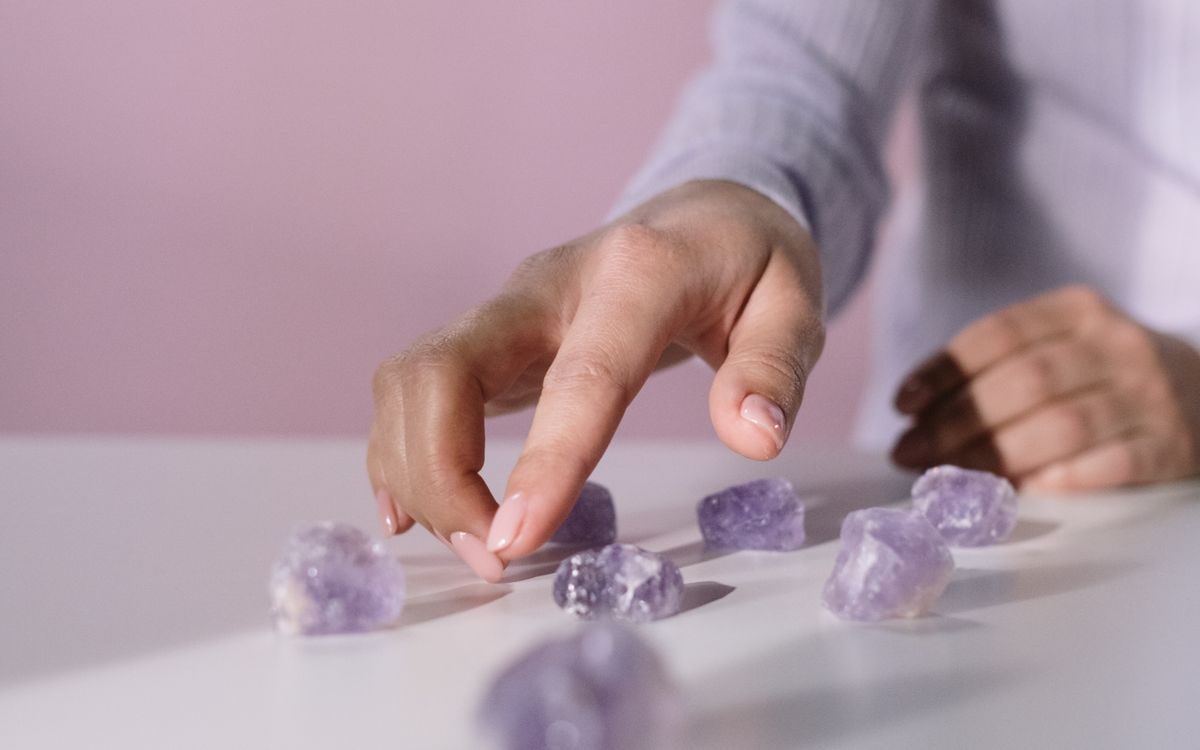
Two blue sapphires of similar size and color can differ in value by a multiple of ten, and the reason may be invisible on the sales floor: one was pulled from the ground in the color you see, and the other was heated in a furnace until it looked that way. Treatments are neither rare nor scandalous — they are the background condition of the colored stone trade, so routine that most sapphires, most tanzanite, and nearly all blue topaz on the market carry one. What separates a fair purchase from a bad one is not the treatment itself. It is whether the seller told you.
This page walks through the four treatments a buyer actually encounters, what United States disclosure rules require, and the questions that sort an honest listing from an evasive one.
What counts as a treatment
A treatment is anything done to a natural gemstone beyond cutting and polishing that changes its color, its apparent clarity, or its durability. That definition excludes the ordinary work of the lapidary — faceting, cabbing, polishing are part of what a stone is — and it excludes laboratory-grown stones and glass imitations, which are different products entirely, not treated versions of natural ones.
The trade does not rank treatments as simply good or bad. The questions that matter are practical ones: Is the treatment permanent? Does it create special care requirements — a stone that cannot meet an ultrasonic bath or a jeweler’s torch? And does it move the price? Those three questions are not arbitrary; they are, almost word for word, the triggers written into the United States trade guides, and they organize everything that follows.
The four treatments you will actually meet
Heat
Heat is the trade’s oldest and most routine treatment. Held at high temperatures in a controlled furnace, corundum — sapphire and ruby — shifts in color and clarity: milky or inky rough can come out vivid blue, and silk-like inclusions can dissolve. Much of the tanzanite on the market is also understood to be heated, since the brownish raw material converts to the familiar blue-violet in the process. Aquamarine is commonly heated toward a purer blue as well.
The trade treats heat as acceptable and disclosed practice, and heated stones dominate the market. The price consequence is not that heated stones are cheap — it is that genuinely unheated stones of fine color command premiums precisely because they are rare, which is why a lab report noting “no heat” moves the number on an invoice.
Oiling and fracture filling
Emeralds arrive from the ground with surface-reaching fissures so consistently that the trade long ago normalized filling them. Colorless oil — traditionally cedarwood — or more modern resins are drawn into those fissures to improve apparent clarity, and the practice is so established in the emerald trade that a fully un-oiled emerald with good clarity is itself a notable stone. Fillers vary in stability: oils can dry out or leak over years, and heavier resin filling can cloud or discolor, especially if the stone meets heat or solvents.
This is the treatment category with the sharpest care consequences. A filled emerald should never see an ultrasonic cleaner or a jeweler’s torch — the filler is exactly what those processes attack — and warm soapy water is the standard home routine. When you buy, the useful question is not whether the stone was filled, but how much, since the extent of filling is one of the main levers of emerald pricing.
Irradiation
Irradiation produces color where little existed before. Nearly all blue topaz on the market begins as pale, colorless material that is irradiated and then heated to arrive at the familiar blues. Some quartz colors and certain diamond colors have irradiation in their history too. For buyers, the practical points are two: the colors of common treated blue topaz are stable in normal wear, and the treatment is routine, disclosed trade practice — not a defect to be discovered.
Diffusion
Diffusion is the treatment that most rewards a careful question. In lattice diffusion, corundum is heated in the presence of added elements — beryllium most famously since the early 2000s — which penetrate the crystal and can produce colors heating alone cannot, including vivid orange-pink sapphires. The result is permanent in ordinary wear, but in many stones the added color concentrates near the surface, which means recutting or deep chipping can expose paler material underneath. Diffusion-treated stones trade well below heated stones of similar appearance, and identifying them definitively requires laboratory chemistry rather than a jeweler’s loupe. A seller who volunteers the word “diffused” is telling you something a listing that simply says “vivid sapphire” is not.
What the FTC requires sellers to disclose
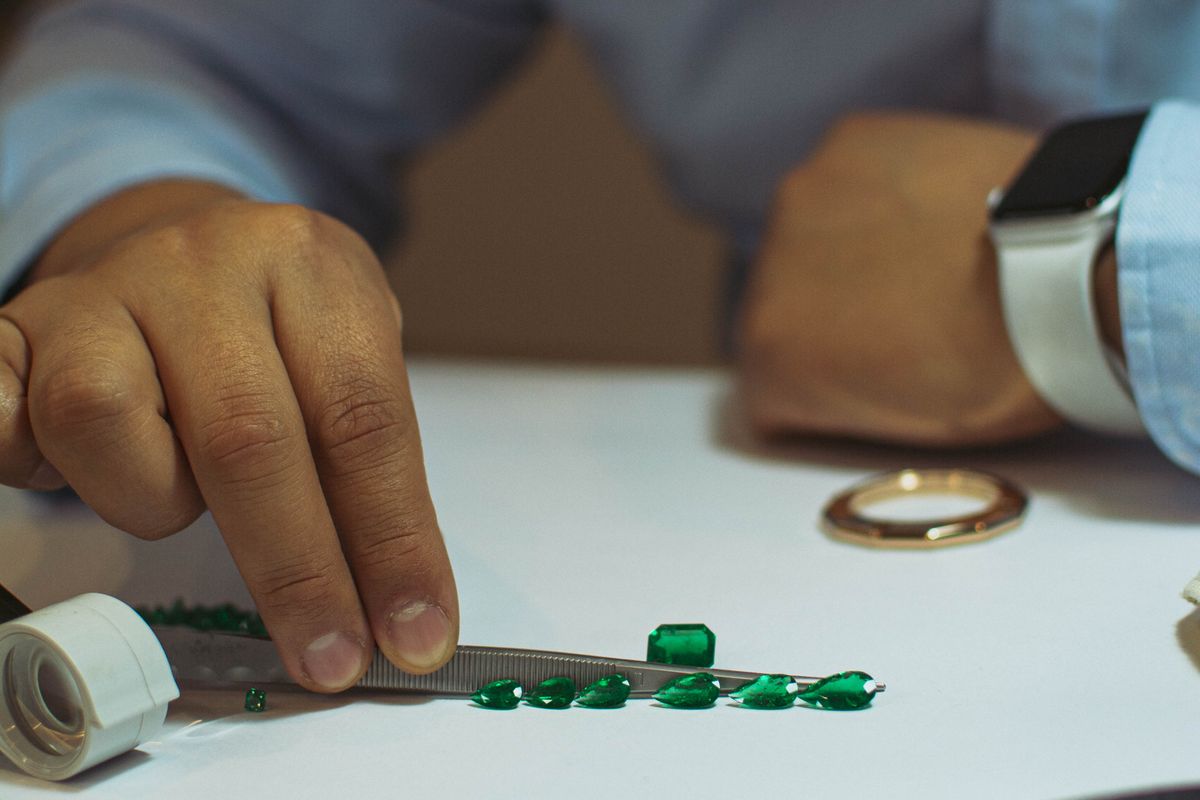
The Federal Trade Commission’s Guides for the Jewelry Industry — 16 CFR Part 23 — put the disclosure rules for gemstone treatments in section 23.24, “Disclosure of treatments to gemstones.” It reads:
“It is unfair or deceptive to fail to disclose that a gemstone has been treated if: (a) The treatment is not permanent. The seller should disclose that the gemstone has been treated and that the treatment is or may not be permanent; (b) The treatment creates special care requirements for the gemstone. The seller should disclose that the gemstone has been treated and has special care requirements. It is also recommended that the seller disclose the special care requirements to the purchaser; or (c) The treatment has a significant effect on the stone’s value. The seller should disclose that the gemstone has been treated.”
The online-listing rule
The note attached to the section matters as much as the text. Disclosures apply to sellers at every level of the trade, and where a product can be bought without personally viewing it — the note names online services directly — the disclosure should appear in the solicitation for, or description of, the product. In other words, a treatment that affects value must be findable on the listing page itself, not volunteered only if a buyer emails the question.
Reading the section honestly means reading its scope too. Heat treatment of a sapphire is permanent, needs no special care, and is routine — so it may fall outside the mandatory triggers even though the trade still customarily discloses it. A filled emerald fails the first two triggers at once: the filling is not permanent and it creates special care requirements. The guides set a floor; custom often runs higher.
How the trade goes beyond the guides
The colored stone trade polices itself above that floor in two ways. First, through the American Gem Trade Association, whose published guidance has long urged sellers to disclose enhancements in plain language at the retail level rather than relying on trade codes and abbreviations, and whose framework treats many traditional enhancements — emerald oiling above all — as things the trade should assume unless a stone is proven otherwise. Second, through the gemological laboratories: reports from major labs name detectable treatments explicitly, and a report line reading “no indications of heating” is the document that turns an unheated sapphire from a seller’s claim into a traceable fact.
Buyers should treat the lab report as the source of record for any significant stone, and the listing as the place where that record is summarized. Where the two disagree, the report wins — and a listing that omits what the report says is the clearest warning sign in this market.
What treatments do to price
The market prices treatments in a consistent direction: closer to the ground, cheaper. Heated sapphire trades below unheated sapphire of the same look; diffusion-treated stones trade well below heated ones; glass-filled ruby trades at the bottom of the corundum market entirely, both because the material beneath the filling is low-grade and because the filler is fragile. None of those prices is wrong in itself — a disclosed, treated stone at a treated-stone price can be a perfectly good purchase.
What destroys value is mismatch: paying an untreated price for a treated stone because the listing stayed quiet. That is the scenario the disclosure rules exist to prevent, and it is why the premium for documentation — a lab report, a maker’s specification page, a plain-language disclosure sentence — is money spent on the only part of the transaction that survives resale.
The questions to ask
Three questions cover the ground. First: has this stone been treated, and how — with the seller expected to answer in words, not codes? Second: does the stone need special care — anything that rules out ultrasonic cleaning, heat at the bench, or solvent contact? Third: for a significant purchase, will a laboratory report accompany the stone, and what does its treatment line say? A seller who answers all three directly is operating the way the trade guides intend. A seller who answers none of them has told you something too. For how these stones sit inside finished pieces and what the metal words mean alongside them, our metals and stones guide covers the rest of the price tag — and for the gap between an honest listing and a padded one in general, the method in our tennis bracelet budget guide applies to stones as much as to settings.
Frequently asked
Does heat treatment lower a gemstone's value?
A heated sapphire or ruby still carries real value, but fine unheated stones of equal appearance trade at meaningful premiums because untreated material is rarer. Heat itself is accepted trade practice when disclosed; the market penalizes hidden treatments far more than disclosed ones.
Are treated gemstones still natural stones?
Yes. A treatment alters a natural stone after it is mined — its color, apparent clarity, or durability. That is a different category from a laboratory-grown stone, which is created from scratch, and from a simulation such as glass, which is a different material entirely.
What does the FTC require sellers to disclose about treatments?
The Federal Trade Commission's Guides for the Jewelry Industry require disclosure when a treatment is not permanent, creates special care requirements, or has a significant effect on the stone's value — and disclosure must be made at every level of the trade, including in online product descriptions.